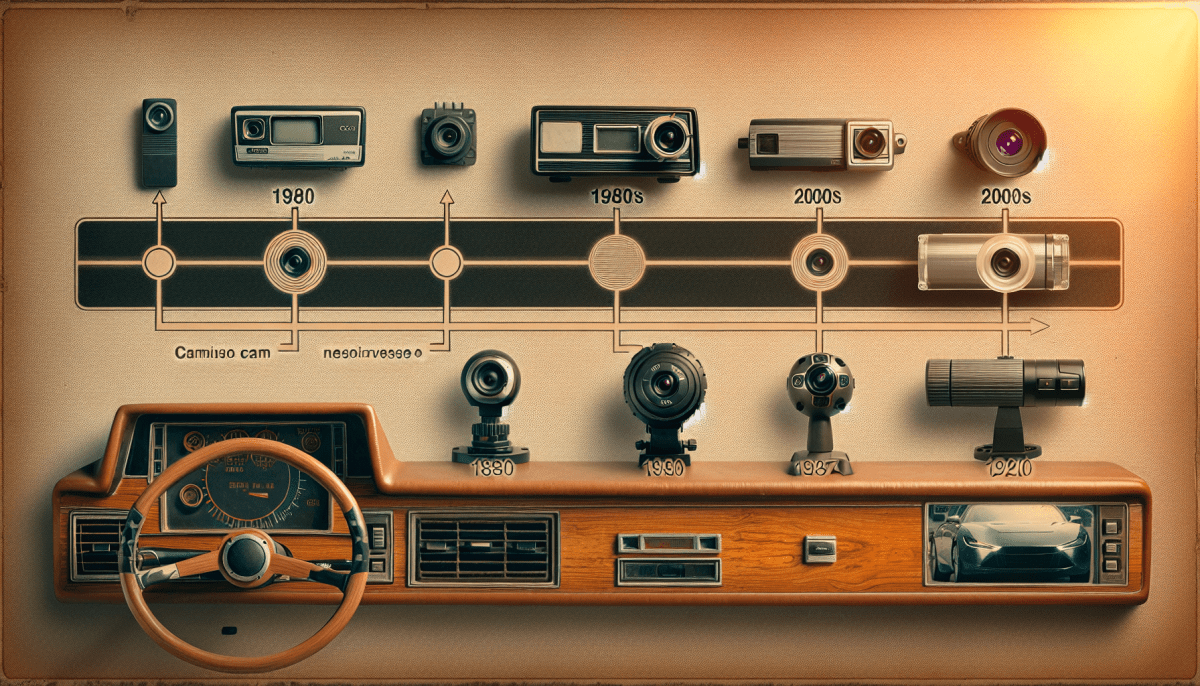
Back in the day, dash cams weren’t as common as they are now. Early models were pretty basic but still packed some useful features. They primarily focused on just recording video while you drove. The goal was simple: capture any accidents or incidents on the road. Imagine having a little time capsule of your drives, ready to back you up in case of trouble!
Most of these early dash cams were a bit clunky and didn’t have all the bells and whistles we see today. They typically recorded in standard definition, and storage was quite limited. Many relied on tape or even CDs to store footage, which wasn’t exactly convenient. You’d have to manually swap out media to keep everything recorded. A bit of a hassle, right?
Despite their limitations, these early models played a crucial role in paving the way for the dash cams we use now. Drivers loved the idea of having proof in case of disputes. Insurance companies also started to see the benefits. With real video evidence, it was easier to settle claims fairly, which made everyone’s life a bit simpler.
Another cool feature of some early dash cams was the ability to capture still images. So, if you saw something amazing on the road, you could snap a picture quickly. It wasn’t a game-changer, but it added a little fun to the experience. Over time, people started to realize just how useful these cameras could be, leading to the major upgrades we're familiar with today.
The Rise of HD Video Quality
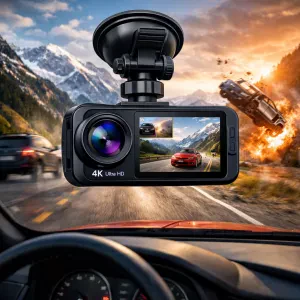
HD video quality has taken the dashboard camera scene by storm. Remember when cameras captured fuzzy images that left you squinting? That’s ancient history now! With advancements in technology, HD dash cams now offer crystal-clear footage, making it easy to catch every detail.
Having a high-definition dashboard camera is a game changer. It picks up license plates, road signs, and even the faces of other drivers—helpful for insurance claims or disputes. A few seconds of clear video can be the difference between a simple resolution and a big hassle when dealing with accidents.
Also, HD video provides better low-light performance. Nighttime driving can be nerve-wracking, but dash cams now come equipped with features that enhance clarity in dim conditions. Whether you’re navigating a dark highway or a city street, you’ll have peace of mind knowing your camera is capturing everything.
As more people realize the benefits of having high-definition video, they’re looking for dash cams that offer this feature. With a wide array of options on the market, it’s easier than ever to find one that fits your needs—whether you want basic recording or advanced features like GPS tracking and loop recording.
Smart Features Changing the Game
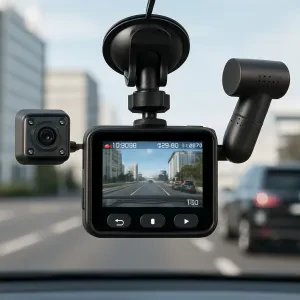
Modern dash cams are packing some seriously smart features that change how we use them. These aren't just basic cameras anymore; they come loaded with tech that makes them way more useful. For example, many now have GPS tracking built right in. This means you can see exactly where an incident happened on a map, which is super helpful for insurance claims and avoiding disputes.
Another game-changer is collision detection. Some dash cams automatically start recording if they sense a sudden impact. This means you won’t miss crucial footage even if you're not watching the screen all the time. Plus, features like loop recording ensure that the camera keeps capturing footage without needing manual intervention. If the memory gets full, it simply overwrites the oldest video, so you always have the latest footage.
Let’s not forget about Wi-Fi connectivity. This allows you to easily transfer videos to your smartphone or computer without the hassle of removing an SD card. Many models even offer live streaming to your phone, which gives you peace of mind knowing that you're connected. Some companies have apps that let you manage the dash cam settings, making it easy to customize how it works for you.
Lastly, voice control is becoming increasingly popular. How handy is it to simply say “record” when something interesting happens without taking your hands off the wheel? These features make driving safer and tracking incidents easier. It’s all about making your driving experience smoother and giving you the assurance that you’re covered on the road.
Future Trends in Dash Camera Tech
Dash cameras keep getting better, and it’s exciting to see what’s around the corner. Right now, many models focus on image quality, but the future’s all about smart features. We might soon see dash cameras that can integrate with your car’s systems, giving you a heads-up on traffic and road conditions right from your dashboard.
Another cool trend is artificial intelligence. Imagine a dash cam that not only records video but also recognizes hazards, like pedestrians or cars changing lanes too close. This tech could alert you instantly, boosting safety on the road. Plus, with A.I. getting smarter, these cameras could learn your driving habits and help you improve.
Cloud storage is likely to become the norm, making it easy to store and access your footage without worrying about memory cards. You'll be able to review incidents from anywhere, not just while sitting in your car. This means if something happens, you can easily grab the footage to share with your insurance or law enforcement.
Lastly, expect more built-in features like Wi-Fi hotspots and GPS tracking. A dash cam that doubles as a hotspot can be a game changer on long trips, keeping everyone connected. GPS can add context to your recordings, showing exactly where incidents happened. These advancements will not only enhance your driving experience but also give you peace of mind.